© 2022 - Association Nanou - n.W044006667 - Sisteron - FR


Contribute to this project!
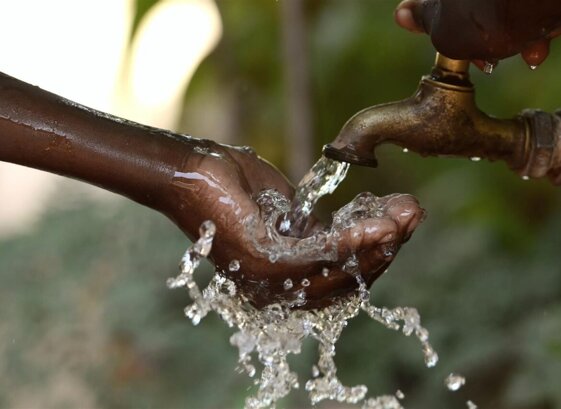
Water in Africa
Groundwater is the main source of water supply in Africa.
The results of a study recently published in the journal Nature reveal that groundwater reserves in sub-Saharan Africa show strong resilience to climate change.
The researcher believes that the low rate of access to drinking water in sub-Saharan Africa, despite the availability of the resource, can be explained by a lack of planning, but above all by the underuse of drinking water facilities, especially boreholes.
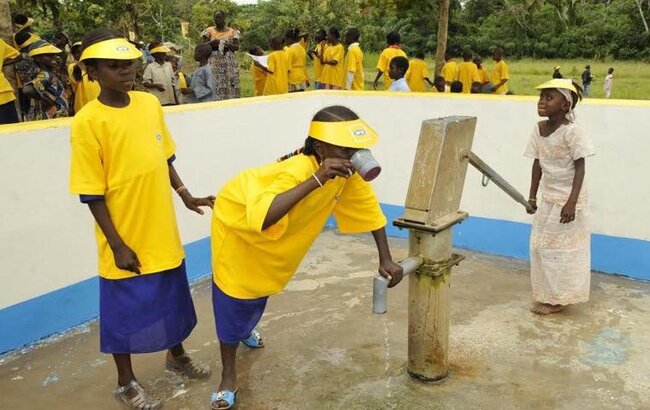
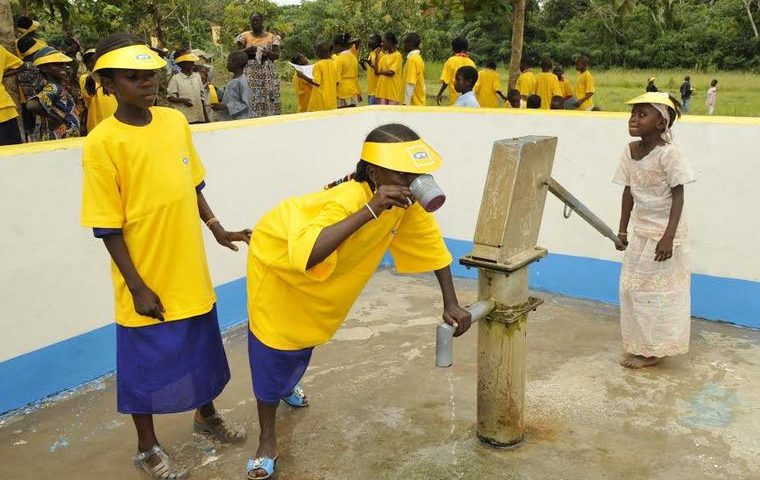
The democratization of drilling
There are two types of boreholes. Boreholes equipped with human-powered pumps and boreholes powered by electricity, either traditional or solar.
The small steps approach of the Nanou Association leads us to choose human energy, which is certainly not lacking in Africa.
This allows us to have lower management costs and to reduce the frequency of breakdowns or malfunctions.
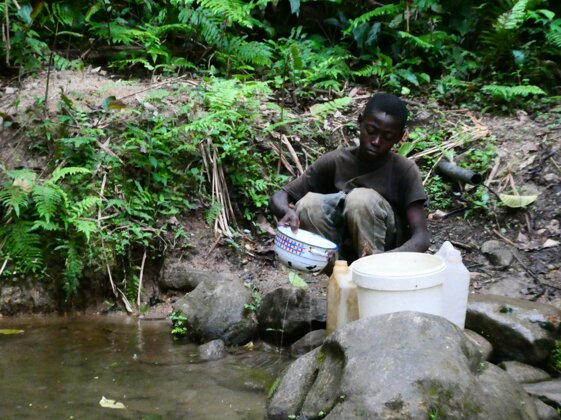
The project
In the countryside of western Cameroon, more specifically in Bangoua, people walk an average of 3km to fetch water from rivers. For the most part, this water is not safe for consumption, hence the increase in diseases such as cholera, typhoid fever, dysentery, etc.
Faced with this situation, the Nanou association has a project to build a borehole that can provide drinking water to a hundred people per day.
This will help in the fight against epidemics of diseases related to unsafe drinking water.
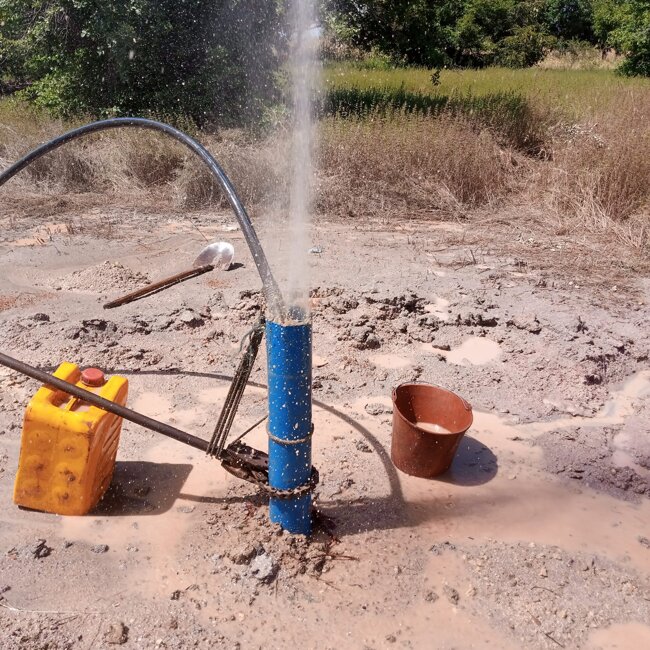
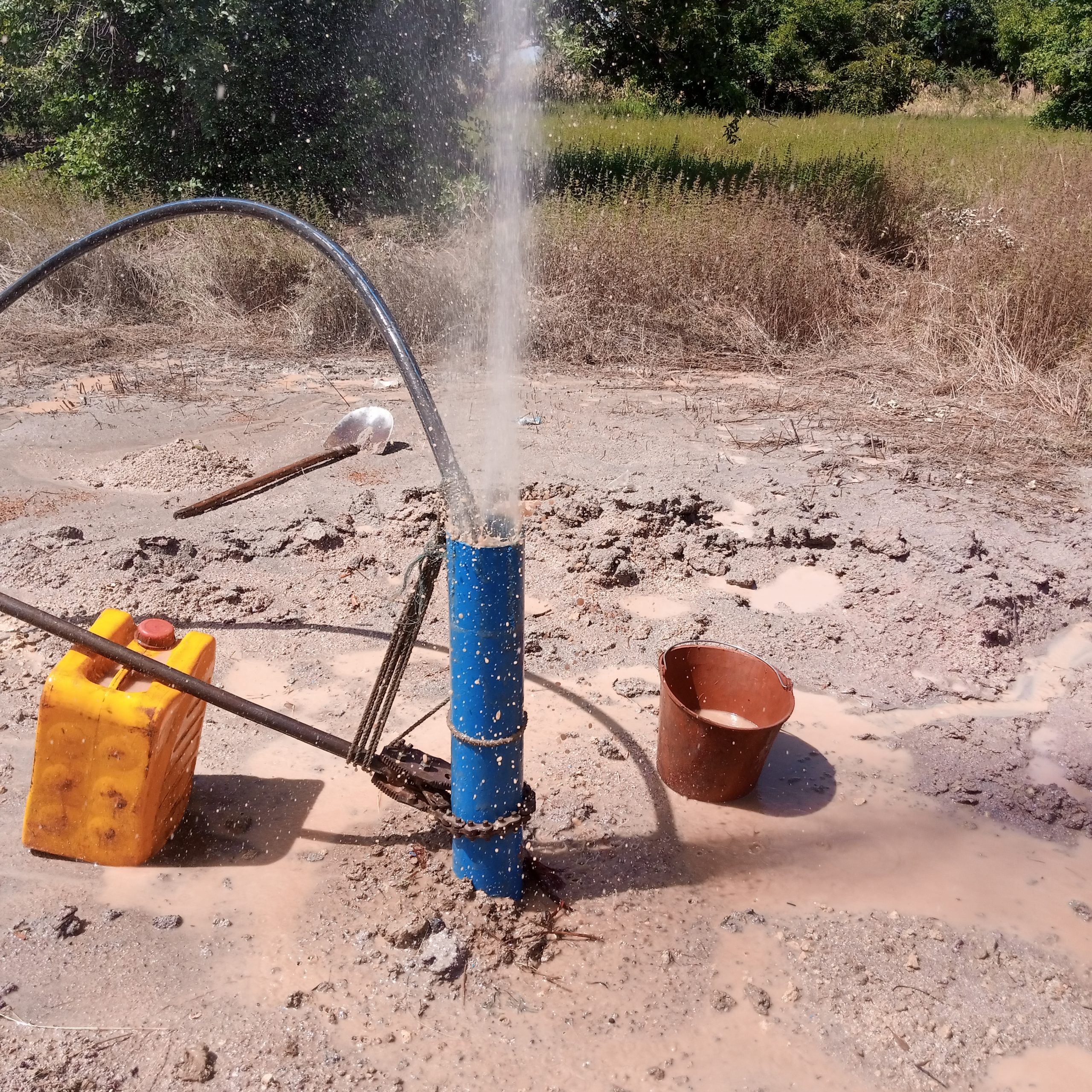
The first drilling
After studying the market with several local drilling construction companies, one caught our attention because it offers us a preliminary land survey with a surveyor and, above all, provides guarantees on the quality of the water sources and undertakes to maintain the equipment in case of breakdown or malfunction.
The installation costs for this borehole amount to €12,000.
The Nanou association is reaching out to its donors so that together we can set up this project, "Water for Bangoua", which we hope will be the first in a series..
© 2022 - Association Nanou - n.W044006667 - Sisteron - FR